Products and materials in the battery materials industry
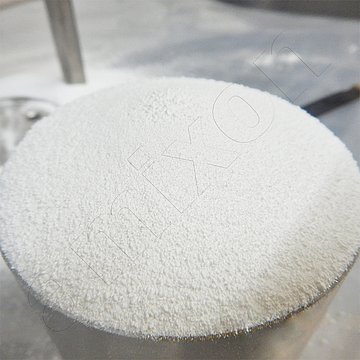
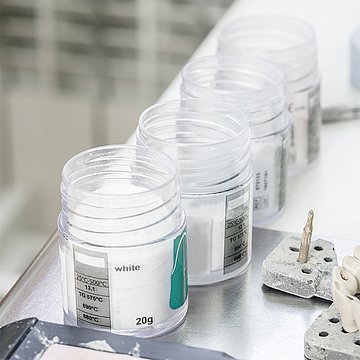
In the production of battery materials, predominantly dry powders and powdery intermediates are processed. These include lithium salts, active cathode and anode materials, conductive additives, and functional additives that are further processed in defined compositions. These materials form the basis for downstream processes such as electrode production or the recycling of valuable ingredients. The requirements for reproducible powder processing are correspondingly high, as even slight deviations in composition or moisture can affect the subsequent process. Typical for battery materials is also the handling of chemically sensitive, hygroscopic, or reactive substances that require controlled process management.
Typical products and terms in the battery materials industry:
- Lithium salts and lithium-containing powders
- Cathode and anode active materials
- Conductive additives
- Functional and additive mixtures
- Dry intermediates from recycling processes
Requirements for Mixing and Drying
When processing battery materials, the focus is on uniform distribution, defined residual moisture, and product protection. Lithium salts and other active powders are sensitive to moisture and often need to be mixed and dried under controlled conditions.
In many applications, powders are first homogenized, then wetted or react with each other and must be reliably dried afterwards. The goal is to achieve uniform product quality without thermally or mechanically stressing the substances. At the same time, safe emptying of the equipment is crucial to avoid product losses and to be able to carry out recipe changes in a controlled manner.
These aspects also play a role in battery material recycling: valuable materials are recovered from powdery intermediates and must be processed, dried, and homogenized for this purpose.
amixon® solutions for battery materials
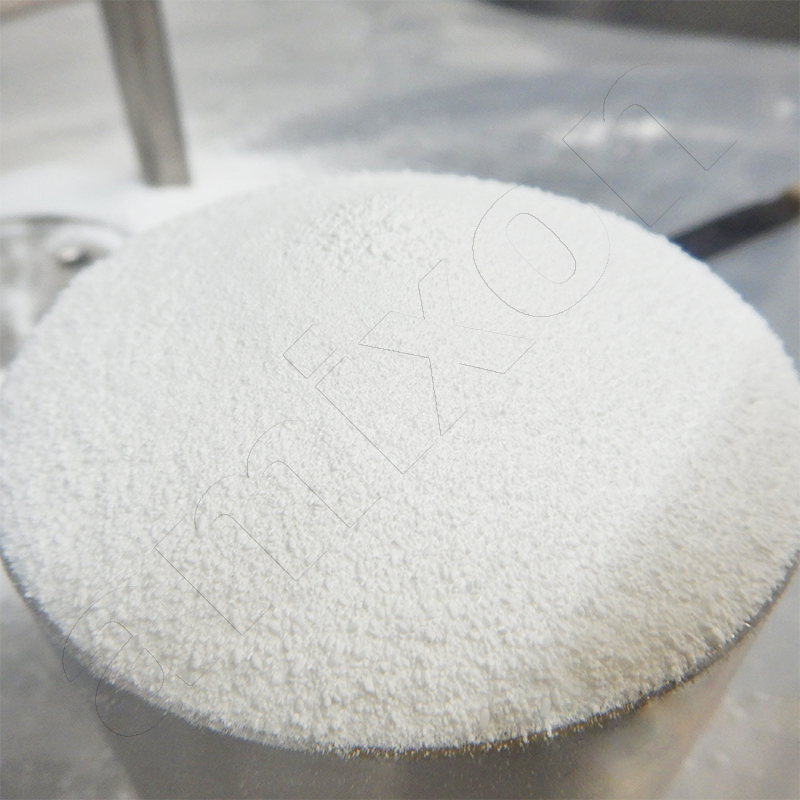
amixon® develops and builds mixing, mixing-drying, and reactor technology for powder processes close to batteries, where controlled temperature control and pressure conditions, reproducible mixing quality, and safe process conditions are required.
The systems are designed for batch processes and allow mixing, reacting, and drying to be combined in clearly defined process steps. Product-friendly movement control, reliable emptying, and good cleanability are the focus.
Typical process engineering tasks:
- Mixing and homogenizing lithium salts and active materials
- Controlled drying of moisture-sensitive powders
- Combination of mixing and drying processes
- Safe emptying of reactive or valuable materials
- Processing of powders from recycling processes
amixon® process machines at a glance
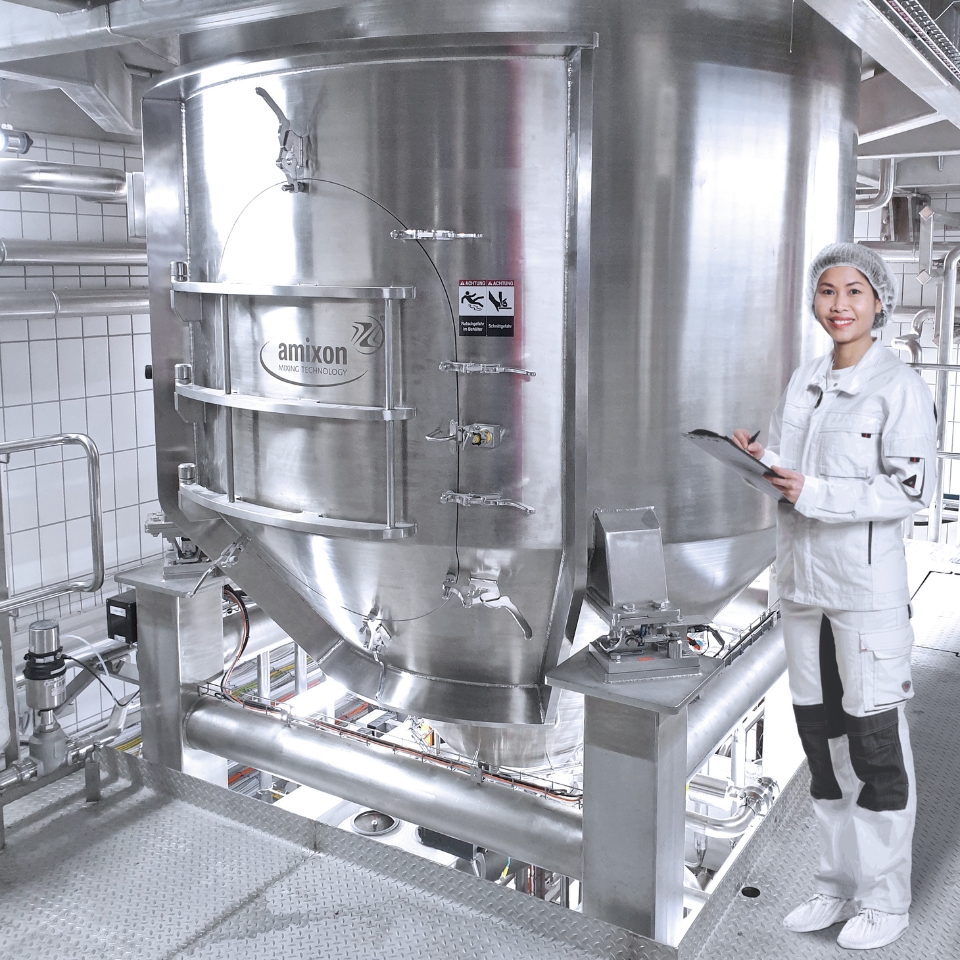
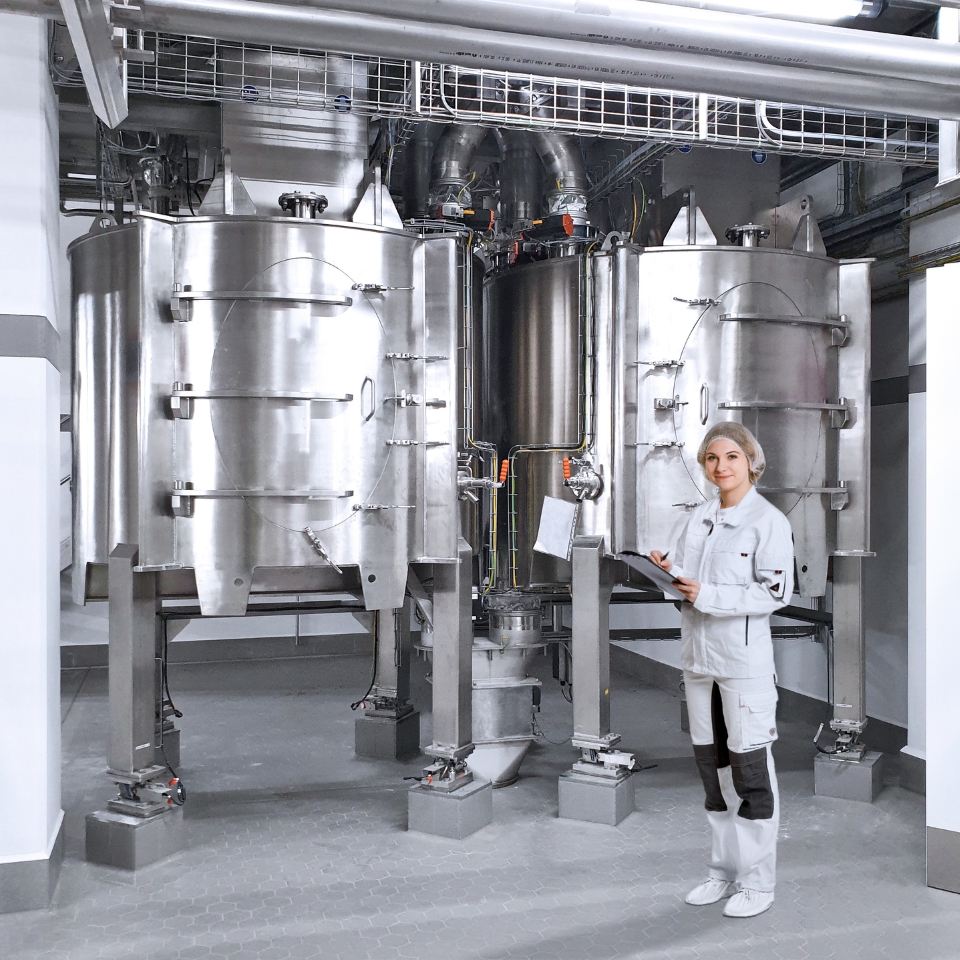
The conical mixer type AM is used when powders close to the battery are to be homogeneously mixed and cleanly discharged. The conical design supports uniform product movement and facilitates complete discharge - an advantage with frequently changing materials or sensitive lithium salts.
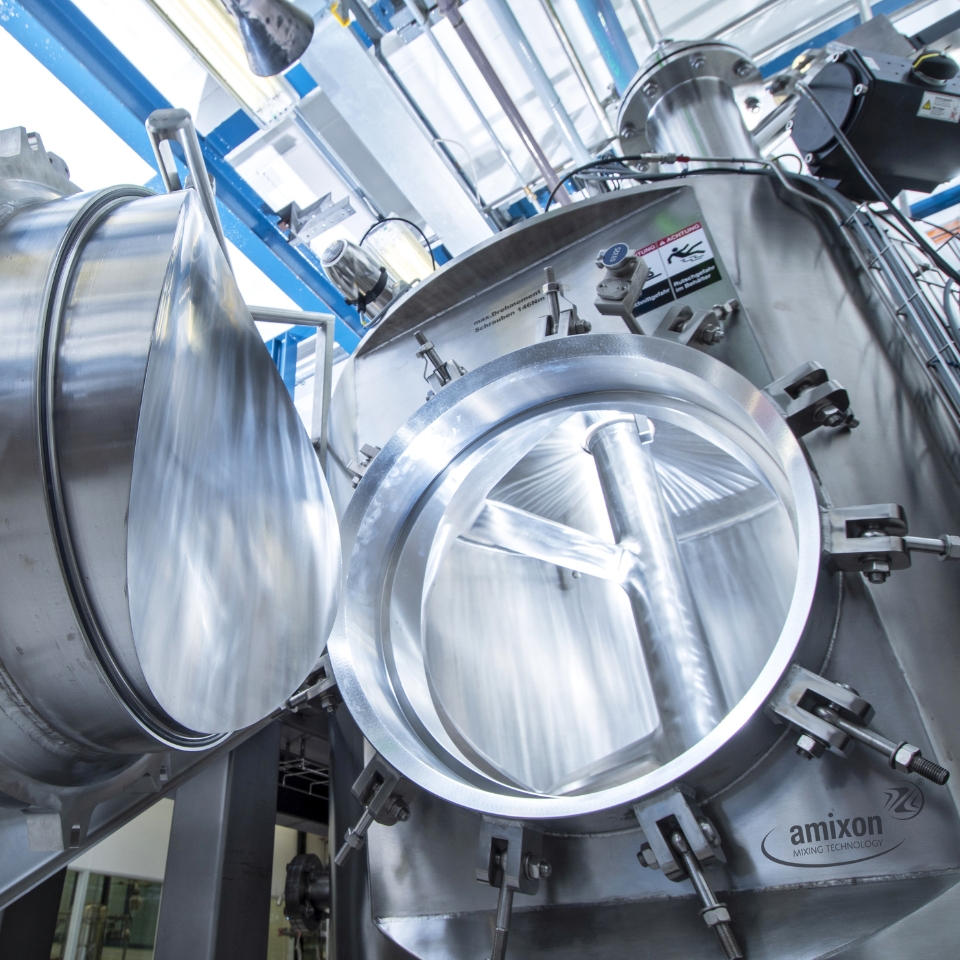
The vertical single-shaft mixer type VM is suitable for mixing tasks where powders with different properties need to be reliably combined. Its robust design and controlled mixing action make it a suitable solution for many battery-related applications.
amixon® Vacuum Mixing Dryer and Reactor (VMT)
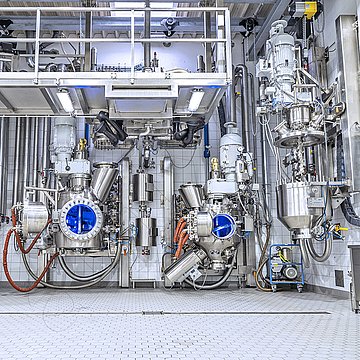
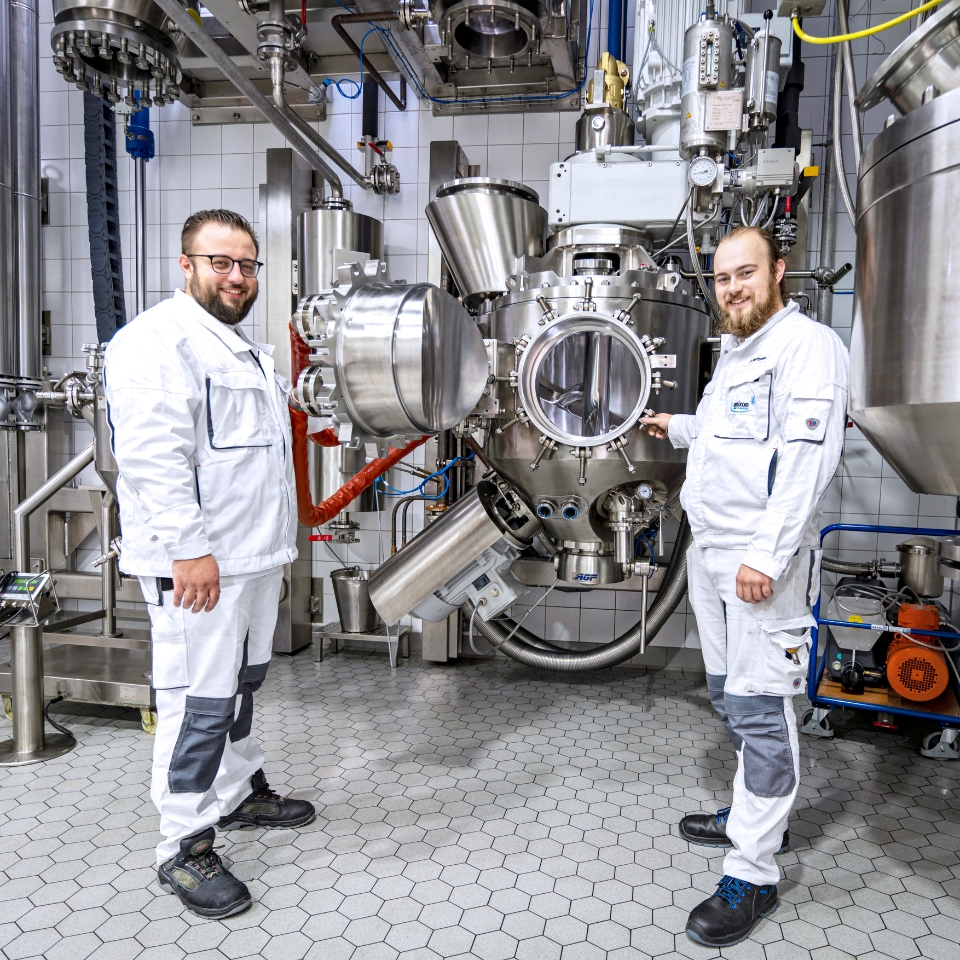
Mixing, reacting, and drying are combined in the mixing dryer and reactor type VMT in a closed apparatus. The use of vacuum allows liquid residues or solvents to be removed at moderate product temperatures - a central advantage for moisture-sensitive lithium salts or active materials.
The reactor type AMT is designed for processes with increased drying requirements. Heatable walls and mixing tools enable efficient heat transfer, while the conical bottom supports good residual emptying. This is particularly advantageous for valuable or reactive battery materials.
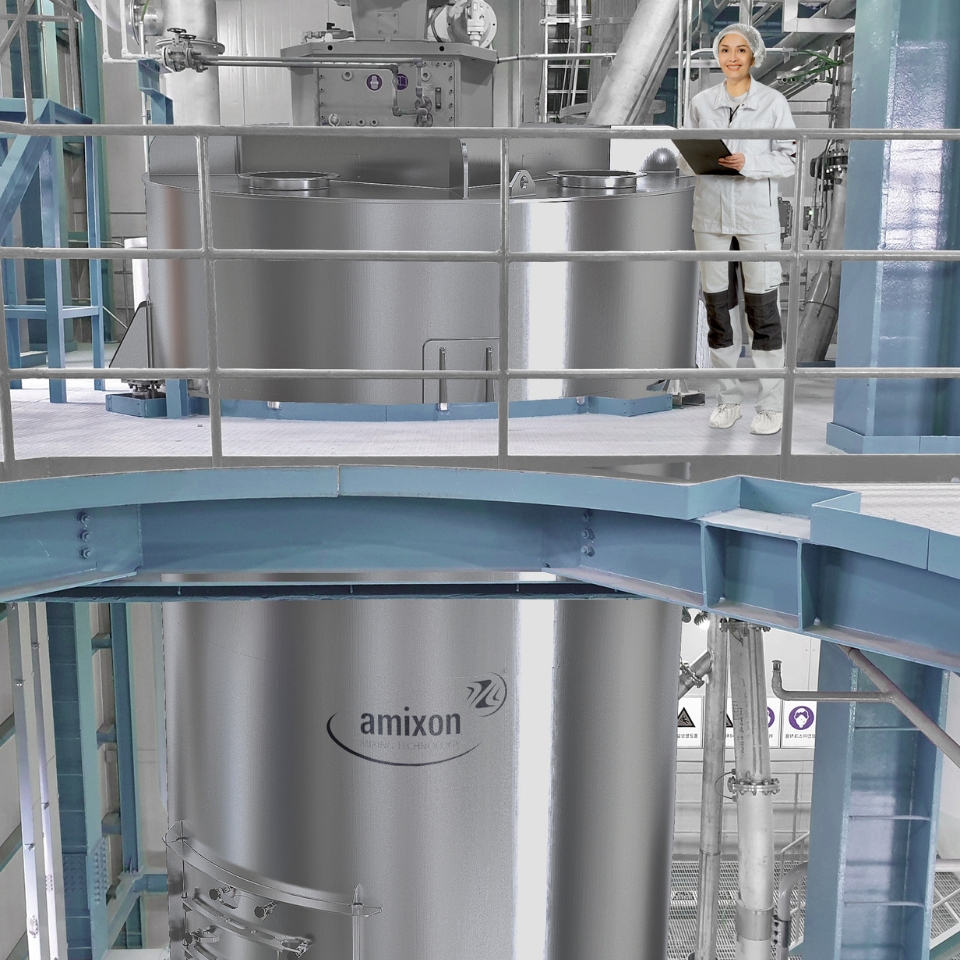
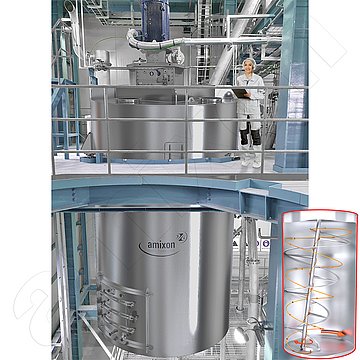
The Gyraton® mixer is a precision silo mixer for homogenizing larger batches. It combines gentle product movement with high mixing quality and is particularly suitable for raw materials from battery productions with very large batches of 10 to 100 m³ that need to be homogenized into a single unit.
Technical center and process development
In the amixon® technical center, mixing and drying processes for battery materials can be investigated with original substances. Mixing quality, moisture behavior, discharge, and cleanability are evaluated in a practical manner and designed for industrial use.
Battery materials place high demands on process control and product protection. Mixing and drying must be reproducible, gentle, and safe - especially with lithium-containing or recycling-based materials. amixon® develops and builds the appropriate process technology. Talk to us about your battery material processes and your process engineering goals. amixon® - Process technology for powder applications close to batteries.
 Blog
Blog