
grain slurry
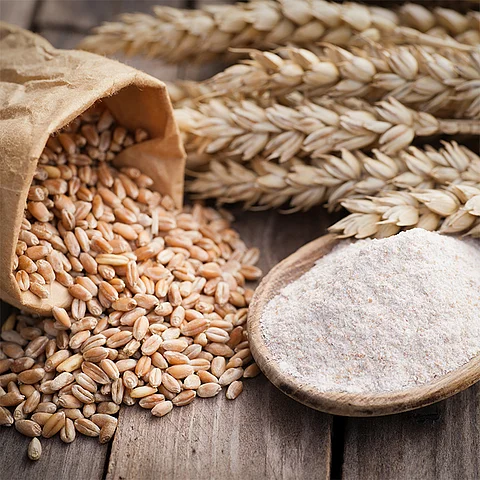
Grain stillage, for example, is a by-product of ethanol production. It is produced after alcoholic fermentation and distillation, when the fermented grain mash is separated from the ethanol. What remains is a predominantly aqueous, nutrient-rich residue consisting of undissolved grain components, yeast cells and dissolved nutrients.
Depending on the water content, a distinction is made between wet and dry distiller's grains. Wet distiller's grains have a limited shelf life and are used as liquid or paste-like feed in the vicinity of the ethanol plant. Mechanical dewatering and drying can be used to obtain a dry product. This has a longer shelf life.
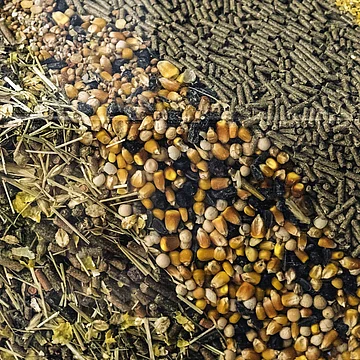
Grain stillage is typically characterised by a high content of crude protein, fat, fibre and minerals. Such products are often used in the feed sector as sources of protein and energy. The composition and feed value of grain stillage depend on the type of grain used, the process (e.g. proportion of dissolved carbohydrates, residual starch) and the type of further processing (pressing, drying, mixing with other components if necessary). In livestock feeding, grain stillage is mainly used as a substitute or supplement to other protein-rich feedstuffs.
 Blog
Blog
 Related pages