

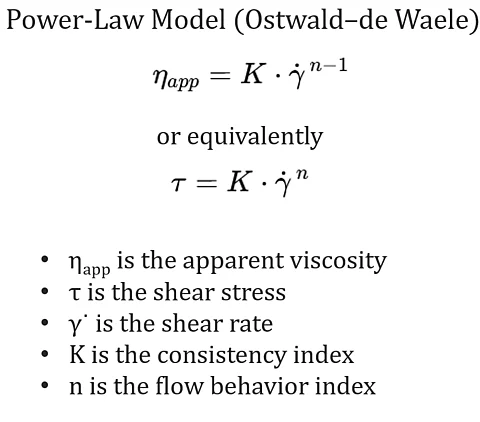
Structural viscoelastic
“Structural viscosity” refers to a rheological behaviour in which viscosity is determined by an internal microstructure. This structure can form or break down under shear stress. The material therefore does not exhibit constant flow behaviour.
Typical structurally viscous materials include suspensions, pastes, gels, slurries and highly filled polymer melts. Under agitation or stirring, the apparent viscosity often decreases. When left undisturbed, the material may solidify or set again.
Structural viscosity properties influence mixing, pumping, conveying and dosing. They are therefore important for the design of agitators, mixers and piping. In process engineering, structurally viscous fluids are described using rheological models, for example as shear-thinning or shear-thickening.