
leavening agent
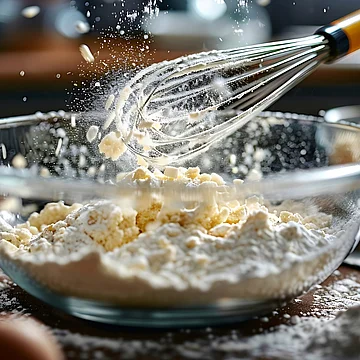
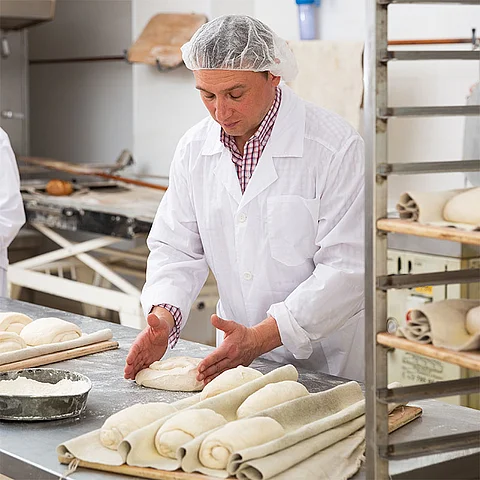
In baking, the term ‘raising agent’ refers to substances that produce or trap gases within the dough. This makes the dough lighter and increases its volume. Raising agents are also known as baking agents or leavening agents.
Biological leavening agents include yeast and sourdough. Chemical leavening agents include baking powder, bicarbonate of soda, ammonium carbonate and potassium carbonate. Physical leavening agents include steam and incorporated air.
The term ‘blowing agent’ is used in technical chemistry. It refers to substances that release gas when heated, when pressure is released, or during a chemical reaction, thereby causing materials to foam or expand. Typical applications include plastics, foams and building materials.
In the context of baking, the term ‘leavening agent’ is often used colloquially, although this is technically inaccurate. The technically correct term in food technology is ‘leavening agent’ or ‘baking leavening agent’..
 Blog
Blog

 Related pages