

Mixers for Ceramic Powders: Precise Powder Processing as a Key Step in the Ceramic Industry
amixon GmbH highlights that precise powder mixing is critical to the performance of technical ceramics, where ultrafine, highly pure powders are prone to agglomeration, contamination, and tool wear. The company offers vertical mixers with a three-dimensional flow and thrust reversal to prevent agglomeration, plus wear-resistant designs to maintain purity. Its lineup (VM, AM, RMG, VMT, GM) covers applications from gentle high-purity mixing to deagglomeration and drying, with pilot plant trials enabling scalable, reproducible results before investment.
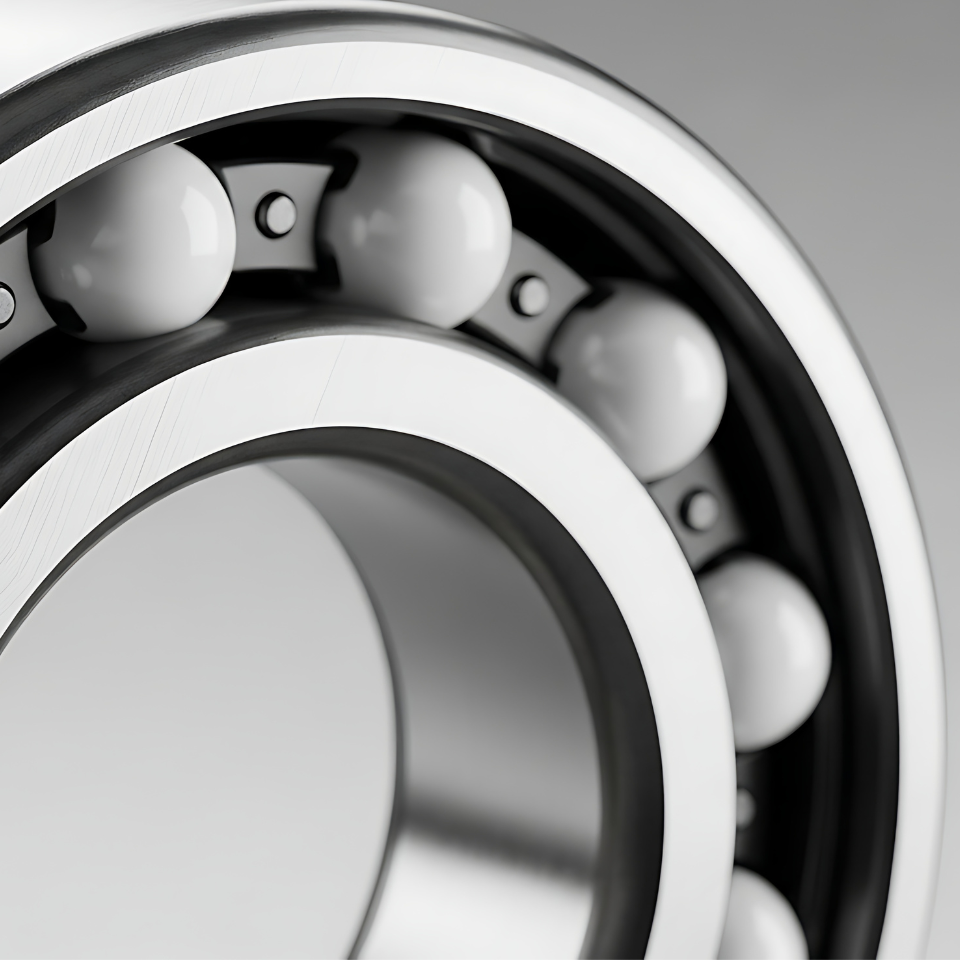
amixon GmbH (Paderborn, Germany) is a specialized manufacturer of vertical mixers and mixing systems for the processing of technical ceramic powders—serving ceramic manufacturers and contract manufacturers worldwide.
What makes the mixing process in the ceramics industry so critical?
Technical ceramics—made from oxides, nitrides, carbides, or borides such as aluminum oxide (Al₂O₃), silicon carbide (SiC), or zirconia (ZrO₂)—are among the highest-performance materials in engineering. However, their exceptional properties in terms of temperature resistance, hardness, and corrosion resistance do not begin in the furnace. They are determined by the quality of the mixing process.
The raw materials are highly pure, extremely fine (particles smaller than 0.01 µm), and tend to agglomerate spontaneously due to their high specific surface area. If these agglomerates are not completely separated into primary particles, inhomogeneous microstructures form in the sintered component. Since ceramic materials do not allow for plastic deformation, even the smallest defects lead to critical component failure—an unacceptable risk in applications such as medical technology, aerospace, or electronics.
Common challenges that ceramic manufacturers encounter
Ceramic manufacturers face a unique set of requirements when it comes to powder processing:
- Agglomeration and deagglomeration: Ultra-fine ceramic powders tend to agglomerate spontaneously. Without targeted mechanical shear forces in the mixer, agglomerates will persist.
- Abrasiveness: Hard oxides and carbides cause significant wear on mixing tools. Abrasive particles from the mixer directly compromise the purity of the final product.
- Sensitivity to contamination: Even the slightest introduction of foreign substances can irreversibly alter the electrical, thermal, or mechanical properties of the ceramic.
- Formulation complexity: Primary powders, sintering aids, binders, and functional additives must be distributed precisely and reproducibly—for batch sizes ranging from 5 to 20,000 liters.
- Reproducibility: In series production, consistent mixing quality across all batches is crucial—especially for safety-critical ceramic components.
Ceramic manufacturers face a unique set of requirements when it comes to powder processing:
- Agglomeration and deagglomeration: Ultra-fine ceramic powders tend to agglomerate spontaneously. Without targeted mechanical shear forces in the mixer, agglomerates will persist.
- Abrasiveness: Hard oxides and carbides cause significant wear on mixing tools. Abrasive particles from the mixer directly compromise the purity of the final product.
- Sensitivity to contamination: Even the slightest introduction of foreign substances can irreversibly alter the electrical, thermal, or mechanical properties of the ceramic.
- Formulation complexity: Primary powders, sintering aids, binders, and functional additives must be distributed precisely and reproducibly—for batch sizes ranging from 5 to 20,000 liters.
- Reproducibility: In series production, consistent mixing quality across all batches is crucial—especially for safety-critical ceramic components.
amixon® Solutions: Vertical mixers for ceramic processing
amixon® develops and manufactures mixing systems specifically designed to meet the requirements of the ceramics industry. The operating principle of the amixon® vertical mixer is based on a three-dimensional flow pattern: A helical mixing tool conveys the powder upward along the wall, while it is guided back down along the central axis. This uniform recirculating flow produces ideal mixing quality in short processing times—without local overloading of the particles.
A special feature is the thrust reversal: With each rotation of the mixing tool, needle-shaped or plate-like particles are randomly oriented, preventing agglomeration. This effect is virtually impossible to reproduce with conventional horizontal mixing principles.
For abrasive ceramic powders, amixon® offers wear-resistant designs with hard alloy weld overlays or replaceable protective elements on all surfaces in contact with the product. This ensures the purity of the mixture even during prolonged operation.
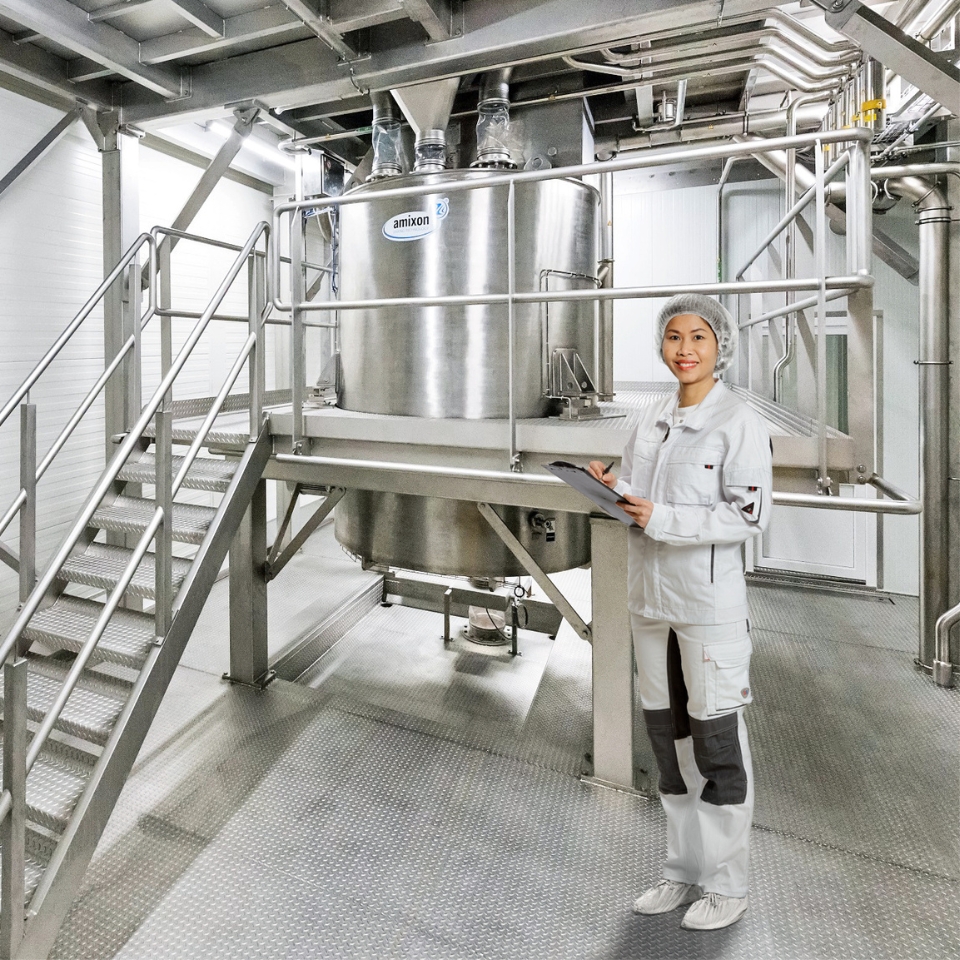
The VM is suitable for the finest ceramic powders and high-purity formulations.
amixon® develops and manufactures mixing systems specifically designed to meet the requirements of the ceramics industry. The operating principle of the amixon® vertical mixer is based on a three-dimensional flow pattern: A helical mixing tool conveys the powder upward along the wall, while it is guided back down along the central axis. This uniform recirculating flow produces ideal mixing quality in short processing times—without local overloading of the particles.
A special feature is the thrust reversal: With each rotation of the mixing tool, needle-shaped or plate-like particles are randomly oriented, preventing agglomeration. This effect is virtually impossible to reproduce with conventional horizontal mixing principles.
For abrasive ceramic powders, amixon® offers wear-resistant designs with hard alloy weld overlays or replaceable protective elements on all surfaces in contact with the product. This ensures the purity of the mixture even during prolonged operation.
The VM is suitable for the finest ceramic powders and high-purity formulations.
The right mixer for the task at hand: Which type of mixer is best suited for which ceramic application?
The choice of the right mixing system depends on particle size, formulation, batch volume, and process requirements. amixon® offers a tailored range of machines:
Mixer type Distinctive feature Typical application VM – Vertical Single-Shaft Mixer Gentle mixing, wide range of fill levels The finest ceramic powders, high-purity formulations AM – Conical single-shaft mixer Complete discharge Frequent formula changes, contract manufacturing RMG – Ring layer mixer - granulator Combined mixing and deagglomeration Poorly dispersible powders, nanomaterials VMT – Vacuum mixing dryer Mixing, drying, and reacting in a single device Moist raw materials, solvent-based products GM – Gyraton®-Mixer Large batches ranging from 10 to 100 cubic meters Bulk goods, heterogeneous mixtures
The choice of the right mixing system depends on particle size, formulation, batch volume, and process requirements. amixon® offers a tailored range of machines:
| Mixer type | Distinctive feature | Typical application |
|---|---|---|
| VM – Vertical Single-Shaft Mixer | Gentle mixing, wide range of fill levels | The finest ceramic powders, high-purity formulations |
| AM – Conical single-shaft mixer | Complete discharge | Frequent formula changes, contract manufacturing |
| RMG – Ring layer mixer - granulator | Combined mixing and deagglomeration | Poorly dispersible powders, nanomaterials |
| VMT – Vacuum mixing dryer | Mixing, drying, and reacting in a single device | Moist raw materials, solvent-based products |
| GM – Gyraton®-Mixer | Large batches ranging from 10 to 100 cubic meters | Bulk goods, heterogeneous mixtures |
Process reliability based on technical trials
Before designing a mixing system for the ceramics industry, it is advisable to conduct a trial at the amixon® Technical Center. There, mixing trials are carried out using the customer’s actual raw materials—under real production conditions. Mixing quality, deagglomeration efficiency, residual material discharge, and cleaning performance are measured and documented.
An important advantage: The results from small pilot mixers are scalable and directly transferable to large-scale production plants. This provides ceramic manufacturers and contract manufacturers with predictable design reliability—even before the investment decision is made.
Before designing a mixing system for the ceramics industry, it is advisable to conduct a trial at the amixon® Technical Center. There, mixing trials are carried out using the customer’s actual raw materials—under real production conditions. Mixing quality, deagglomeration efficiency, residual material discharge, and cleaning performance are measured and documented.
An important advantage: The results from small pilot mixers are scalable and directly transferable to large-scale production plants. This provides ceramic manufacturers and contract manufacturers with predictable design reliability—even before the investment decision is made.
Frequently Asked Questions (FAQ)
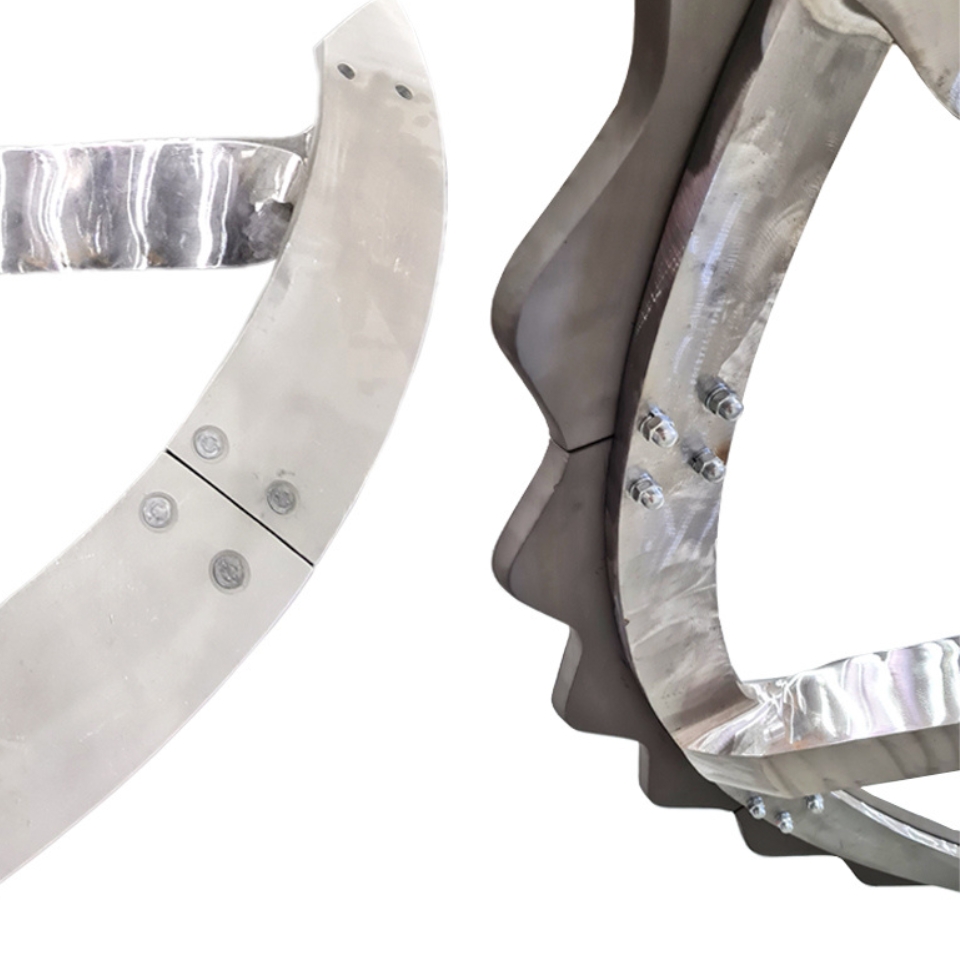
Gepanzertes Mischwerkzeug schützt gegen Verschleiß und ist auswechselbar (Verschraubung geschützt im Strömungsschatten)
Which type of mixer is best suited for fine ceramic powders?
For ultrafine ceramic powders (particles < 1 µm), amixon® vertical single-shaft mixers (Type VM) are recommended. They operate gently, prevent over-agglomeration, and allow for flexible fill levels—a critical factor when working with high-cost raw materials.
How can wear caused by abrasive ceramic powders in the mixer be prevented?
amixon® offers wear-resistant mixer designs with hard alloy cladding and replaceable protective elements on all surfaces in contact with the product. This reliably prevents metal contamination of the ceramic powder and ensures long-term product purity.
Can a mixer simultaneously deagglomerate and homogenize?
Yes. The amixon® Ring-Layer Granulator (RMG) combines mixing, deagglomeration, and—if desired—agglomeration in a single process step. This is particularly advantageous for nanopowders that are difficult to disperse or highly cohesive ceramic raw materials.
How reproducible is the mixing quality across multiple batches?
The defined three-dimensional flow pattern and precise speed control of the amixon® vertical mixers ensure high batch-to-batch reproducibility—a key requirement in the series production of safety-critical ceramic components.
Is a pilot plant test worthwhile before investing in a mixing system?
Yes, absolutely. At the amixon® pilot plant, mixing tests are conducted using the customer’s original raw materials. The results are directly scalable to full-scale plants and provide the design certainty that manufacturers and contract manufacturers need before making an investment decision.
Gepanzertes Mischwerkzeug schützt gegen Verschleiß und ist auswechselbar (Verschraubung geschützt im Strömungsschatten)
Which type of mixer is best suited for fine ceramic powders?
For ultrafine ceramic powders (particles < 1 µm), amixon® vertical single-shaft mixers (Type VM) are recommended. They operate gently, prevent over-agglomeration, and allow for flexible fill levels—a critical factor when working with high-cost raw materials.
How can wear caused by abrasive ceramic powders in the mixer be prevented?
amixon® offers wear-resistant mixer designs with hard alloy cladding and replaceable protective elements on all surfaces in contact with the product. This reliably prevents metal contamination of the ceramic powder and ensures long-term product purity.
Can a mixer simultaneously deagglomerate and homogenize?
Yes. The amixon® Ring-Layer Granulator (RMG) combines mixing, deagglomeration, and—if desired—agglomeration in a single process step. This is particularly advantageous for nanopowders that are difficult to disperse or highly cohesive ceramic raw materials.
How reproducible is the mixing quality across multiple batches?
The defined three-dimensional flow pattern and precise speed control of the amixon® vertical mixers ensure high batch-to-batch reproducibility—a key requirement in the series production of safety-critical ceramic components.
Is a pilot plant test worthwhile before investing in a mixing system?
Yes, absolutely. At the amixon® pilot plant, mixing tests are conducted using the customer’s original raw materials. The results are directly scalable to full-scale plants and provide the design certainty that manufacturers and contract manufacturers need before making an investment decision.
Conclusion: Mixing quality as a key competitive factor
For companies that manufacture technical ceramics for the electronics, medical technology, energy technology, mechanical engineering, or aerospace industries, choosing the right mixer is no trivial matter. It is the first step in the entire process chain—and one that is critical to quality—from raw material preparation to the sintered component.
amixon GmbH offers specialized vertical mixers, customized process consulting, and scalable pilot plant trials to meet these requirements—ensuring consistently high ceramic quality in both research and series production.
Learn more in our fact sheet!
For companies that manufacture technical ceramics for the electronics, medical technology, energy technology, mechanical engineering, or aerospace industries, choosing the right mixer is no trivial matter. It is the first step in the entire process chain—and one that is critical to quality—from raw material preparation to the sintered component.
amixon GmbH offers specialized vertical mixers, customized process consulting, and scalable pilot plant trials to meet these requirements—ensuring consistently high ceramic quality in both research and series production.
Learn more in our fact sheet!
 Related News
© Copyright by amixon GmbH